To summit
during a full moon, a 7-day climb should start 5 days prior to the full moon
date. It is not necessary to summit on the exact full moon date to take
advantage of moonlight. A summit on the day before or day after is also
beneficial. We offer several group climbs with full moon summits every month
during the dry season. These dates tend to be the first to book completely full
well in advance.For those
who favor a less crowded climb, avoid the full moon completely as these dates
attract many climbers. Another method of dodging crowds is to choose an
"off" day of departure. Most climbers will begin their climbs on
Saturday, Sunday or Monday, with routes lasting 6 to 7 days. We have many
clients who climb with or without the full moon, and clients are equally
satisfied with either itinerary. *Kindly note
that the dates for the treks have been listed according to information
collected from various relevant websites. However, although every effort is
made to achieve accuracy of the dates above, given the unpredictable weather
conditions on Kilimanjaro and other geographical factors, we cannot guarantee a
100% clear sky full moon trek.
Let us take you to the world’s ‘safari Mecca’, home to the
lion-stalked plains of the Serengeti and Ngorogoro Crater National Parks.
Scale snow-capped Mount Kilimanjaro to stand on the ‘Roof of
Africa’, a towering 5896m above sea level, dip your toes in the Indian Ocean
from palm fringed beaches or take a short hop off the coast to the spice island
of Zanzibar and dive into a magical world of coral and marine life.
It is an undeniable fact that Tanzania packs the punches on
the wild and exotic front but, in our humble opinion it’s true charm lies in
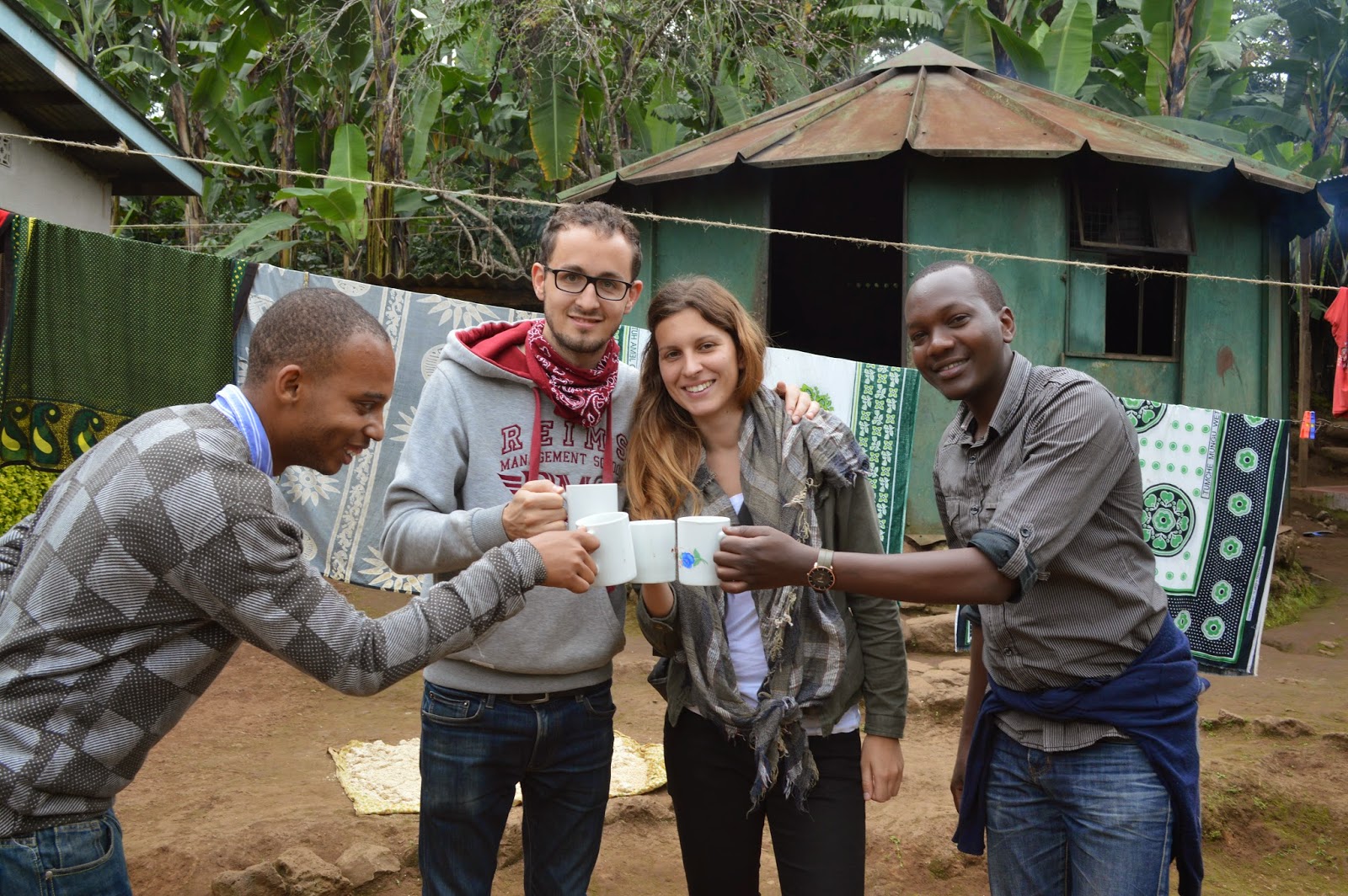
the characteristic warmth and beauty of the Tanzanian people. There are more
than 260 tribal groups in Tanzania, each with their own distinct culture and
traditions, living peacefully side-by-side. From the spear carrying Maasai to
the mountain dwelling Chagga, the orphaned children of Amani and women’s development
groups in Moshi, it will be the Tanzanian’s who'll find a special place in your
heart and inevitably become the highlight of your trip.
Eco-Africa is an adventure specialist/tour consultant i do
hosting and also take tourist all over the world to safaris
Our
Packages Visit Tanzanian parks like Kilimanjaro
NP ,Serengiti NP, Ruaha NP,
Manyara NP, Ngorongoro Conservation
Area, Tarangire NP and Zanzibar for historical, fascinating and beaches.
For more: www.afrongosha.blogspot.com
like our page https://www.facebook.com/ afrongosha green
adventure
• Family
tours
• Museums
and Archeological tours
• Home
Stays in Urban and Rural set ups in Tanzania
Tanzania is the very image of a perfect African safari
holiday. Home to numerous wildlife parks and reserves it covers a huge variety
of terrain, from the mountainous region that homes Kilimanjaro, Africa’s
tallest mountain, to the wide open Serengeti, mangrove swamps on the Indian
Ocean and the tropical islands of Zanzibar. This also means that in addition to
its natural beauty, Tanzania is home to a vast array of different species of
animal, making it the ideal place to go on safari, or go birding. For more
information/booking/reservations kindly email us
Southern Tanzania
offers some of the most exciting safari destinations in E.Africa. Go on a boat
safari on the Rufiji River in Selous Game Reserve, swim under the Udzungwa waterfalls,
walking safaris in Ruaha National Park and fantastic game drives in Mikumi National Park.
Eco-Africa your life time adventure...you get to see,hear and feel...
We are confident that through
Eco-Africa, your trip will exceed your expectations. For Booking contact Us now!!!!!!!!!!!!!!!!!!!!!!!!!!!!!!!!!!!
Gombe is the smallest of Tanzania's national parks: a fragile
strip of chimpanzee habitat straddling the steep slopes and river valleys that
hem in the sandy northern shore of Lake Tanganyika. Its chimpanzees –
habituated to human visitors – were made famous by the pioneering work of Jane
Goodall, who in 1960 founded a behavioural research program that now stands as
the longest-running study of its kind in the world. The matriarch Fifi, the
last surviving member of the original community, only three-years old when
Goodall first set foot in Gombe, is still regularly seen by visitors.
After dusk, a dazzling night sky is
complemented by the lanterns of hundreds of small wooden boats, bobbing on the
lake like a sprawling city.
Size:
52 sq km (20 sq miles), Tanzania's smallest park.
Location: 16 km (10 miles) north of Kigoma on the shore of Lake Tanganyika in
western Tanzania
Ruaha national park is one of the few Tanzania’s famous wilderness
area where one can have a rare experience of game viewing spiced up by the
fascinating landscape. The park is rich of plants and animals such as Greater
Kudu (Tragelaphus strepsiceros) which can not be found in any other
national park. The park boasts of her almost untouched and unexplored
ecosystem, making visitors’ safari experience very unique.
The Great Ruaha River as other rivers like Mwagusi, Jongomero and
Mzombe save as the life line of the park. During dry season, these rivers
become mostly the main source of water for wildlife. There are few natural
springs saving the same purpose.
In the pick of dry season, elephants obtain water from dry sand
rivers using their front feet and trunks. The remaining water falls along the
Great Ruaha River are also important habitat for hippopotamus, fish and
crocodiles
PARK HISTORY
The park history dates back to 1910 when it was gazetted Saba Game
Reserve by the Germany then the name was changed by British to Rungwa Game
reseve in 1946. In 1964 the southern portion of the Game was gazetted as Ruaha
national park and in 1974 a small section of South Eastern part of the Great
Ruaha River was incorporated into the park. The name “Ruaha” originates from
the Hehe word “Ruvaha”, which means “river”. Ruaha National Park is part of
Rungwa-Kizigo –Muhesi ecosystem which covers more than 45000km2. In 2008 Usangu
game Reserve and other important wetlands in Usangu basin have been annexed
into the park, making it the largest park in Tanzania and East Africa with an
area of about 20226km2.
PARK SIGNIFICANCE
Ruaha National Park has a high diversity of plants and animals
including elephants, buffalos, antelopes and some of rare and endangered
species like wild dogs. The park serves as water shade both for wildlife and
human being. This makes it to be economically significant as it supports
agricultural activities down stream and contributes to hydro- electric power
(HEP) for the country at Mtera and Kidatu dams.
TOURISM ATTRACTIONS
·Birds
·Animals
·Reptiles
and
Amphibians
·Vegetation
·Historical
and cultural
sites
·Physical feature
·Rivers
·Rift
valley
·Natural
springs
·Undulating
landscape
Eco-Africainvites to explore the wonders that our
great country of Tanzania have to offer. Please explore our blog and we invite
you to join us in the adventure of your lifetime. We are confident that through
eco-africa, your trip will exceed your expectations.